
7 Japanese Phoenix Tattoo Designs to Inspire Your Piece
You've found a striking phoenix reference, but you're not sure whether it belongs on a sleeve, across the back, over the chest, or as a smaller standalone piece. That uncertainty is useful. A successful Japanese phoenix tattoo design depends on more than the bird itself. The pose, wing and tail flow, color strategy, background motifs, body anatomy, and the artist's ability to turn references into a custom drawing all matter.
The hō-ō also deserves careful handling. It comes from the Japanese tradition of a celestial bird associated with peace, virtue, prosperity, and imperial symbolism, rather than just repeating the Western story of a phoenix rising from ashes. The seven examples below approach the motif from different directions, including local consultation, traditional expertise, modern color composition, Japanese studio experience, and reference books that help you communicate clearly. Use them to compare symbolism, scale, movement, placement, reference quality, and the practical demands of a custom consultation. If you're also researching related body-art services, you can compare phoenix skin treatments separately from tattoo planning.
Table of Contents
1. Think Tank Tattoo
Think Tank Tattoo suits clients who want to develop a hō-ō design through conversation rather than select a finished image and ask for a copy. The Denver studio offers complimentary consultations, which gives you a practical setting to discuss whether your phoenix should wrap a shoulder, occupy the back, or anchor a broader Japanese-inspired composition. That matters because the wings and tail need room to move, and a design that works on paper may feel cramped once it reaches the body.
The studio focuses on custom work, large-scale projects, client comfort, and communication from concept through aftercare. Its open 3,000 sq. ft. workspace supports a collaborative environment, while the team structure can help you find an artist whose portfolio matches the movement and level of detail you want. Review the studio's guidance on phoenix tattoo designs for women if you're considering a more personalized approach to proportion, placement, or visual emphasis.
What works and what needs checking
Best fit: Denver clients who want face-to-face design development and a coordinated plan for a substantial piece.
Strong advantage: A multi-artist studio gives you more opportunity to match Japanese composition skills with your preferred color or linework direction.
Trade-off: Artist availability varies, so confirm the specific artist's experience with hō-ō, Japanese backgrounds, and anatomy-led flow.
Booking detail: The studio lists a $100 shop minimum and a $100 non-refundable deposit, so clarify how those terms apply to your project before reserving.
Complex traditional Japanese work can require multiple sessions. Bring references that show the pose, feather rhythm, and background you like, but expect the artist to redraw the concept for your anatomy.
2. State of Grace Tattoo
State of Grace Tattoo is a strong reference point for clients who place cultural fluency and traditional irezumi composition above convenience. With Horitomo and the studio team, the work is connected to Japanese tattoo history, tebori experience, publishing, and museum collaborations. Those foundations are valuable when your phoenix needs to function as part of a full Japanese image rather than as an isolated bird with decorative flames.
A traditional hō-ō generally reads through long flowing plumage, controlled contours, and balanced supporting motifs. The bird may be paired with a dragon to express yin-yang balance, or surrounded by clouds, peonies, cherry blossoms, or other elements that stabilize the composition. A specialist can help you avoid mixing visual conventions without understanding what each choice does to the overall image.
When tradition should lead
The studio's portfolio and history are particularly relevant if you're planning a backpiece, sleeve, or another large composition with established Japanese structure. The benefit is not an “authentic” label. It's the ability to discuss which background, direction, and companion motifs support the phoenix rather than compete with it.
Composition rule: Choose the artist before you lock the reference. A traditional specialist can preserve the spirit of the image while changing the pose to fit your body.
The main disadvantages are practical. Demand can make scheduling difficult, and many clients may need to travel. You can still use the studio as a benchmark while comparing local artists. Think Tank Tattoo's guide to finding a Japanese-style tattoo artist is useful when you're assessing portfolios closer to home.
3. Yellow Blaze Tattoo
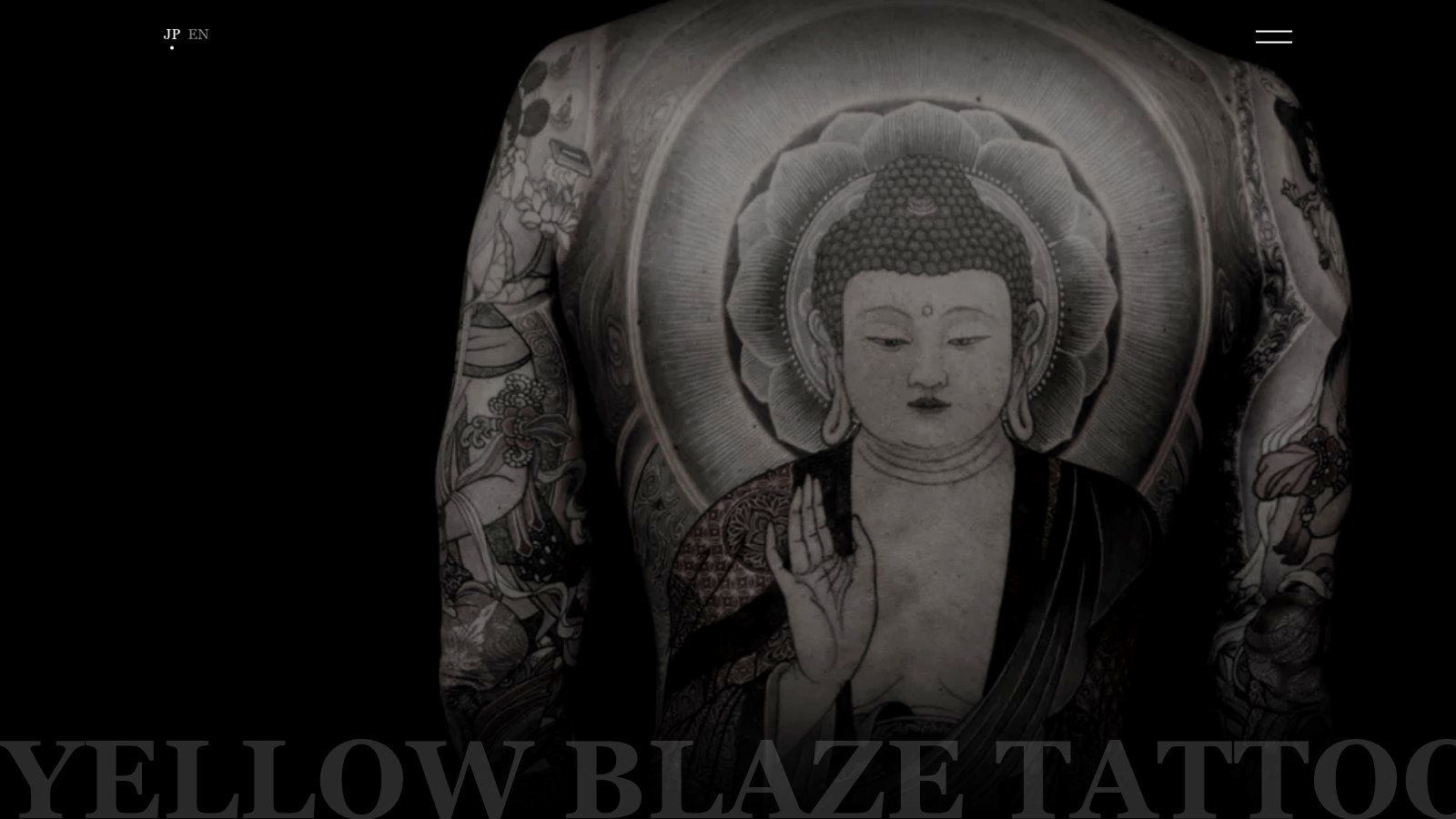
Yellow Blaze Tattoo, the Yokohama studio associated with Shige, represents a direction for collectors who want a highly developed, modern-meets-traditional Japanese composition. The phoenix is treated less like a standalone emblem and more like the central force of a large image. That approach gives the wings, tail, flames, and background a shared rhythm, which is essential when the tattoo needs to remain readable across a curved back or a sleeve.
Shige's work is known for strong large-scale Japanese compositions, meticulous contrast, and refined color relationships. For a phoenix, that can translate into a controlled hierarchy. The head and torso establish the focal point, the wings widen the silhouette, and the tail feathers pull the eye through the available space. Color should support that movement rather than turn every feather into an equally loud detail.
Design direction for a statement piece
This option makes the most sense when you're prepared for a destination project, detailed planning, and a substantial time commitment. Travel, wait times, premium pricing, and multiple sessions can all affect the decision, even when the artistic direction is exactly what you want.
Before contacting an artist at this level, define the emotional temperature of the piece. Do you want a serene, regal hō-ō with measured movement, or a more energetic bird surrounded by aggressive flame contours? Those are different drawings, not minor variations.
Use this direction for: A statement backpiece or sleeve with deliberate color harmony.
Avoid: Sending a collage of unrelated phoenix images and expecting the artist to merge them as-is.
Prepare: A short brief covering placement, preferred palette, companion motifs, and how visible the tattoo should be in everyday clothing.
4. Kings Avenue Tattoo
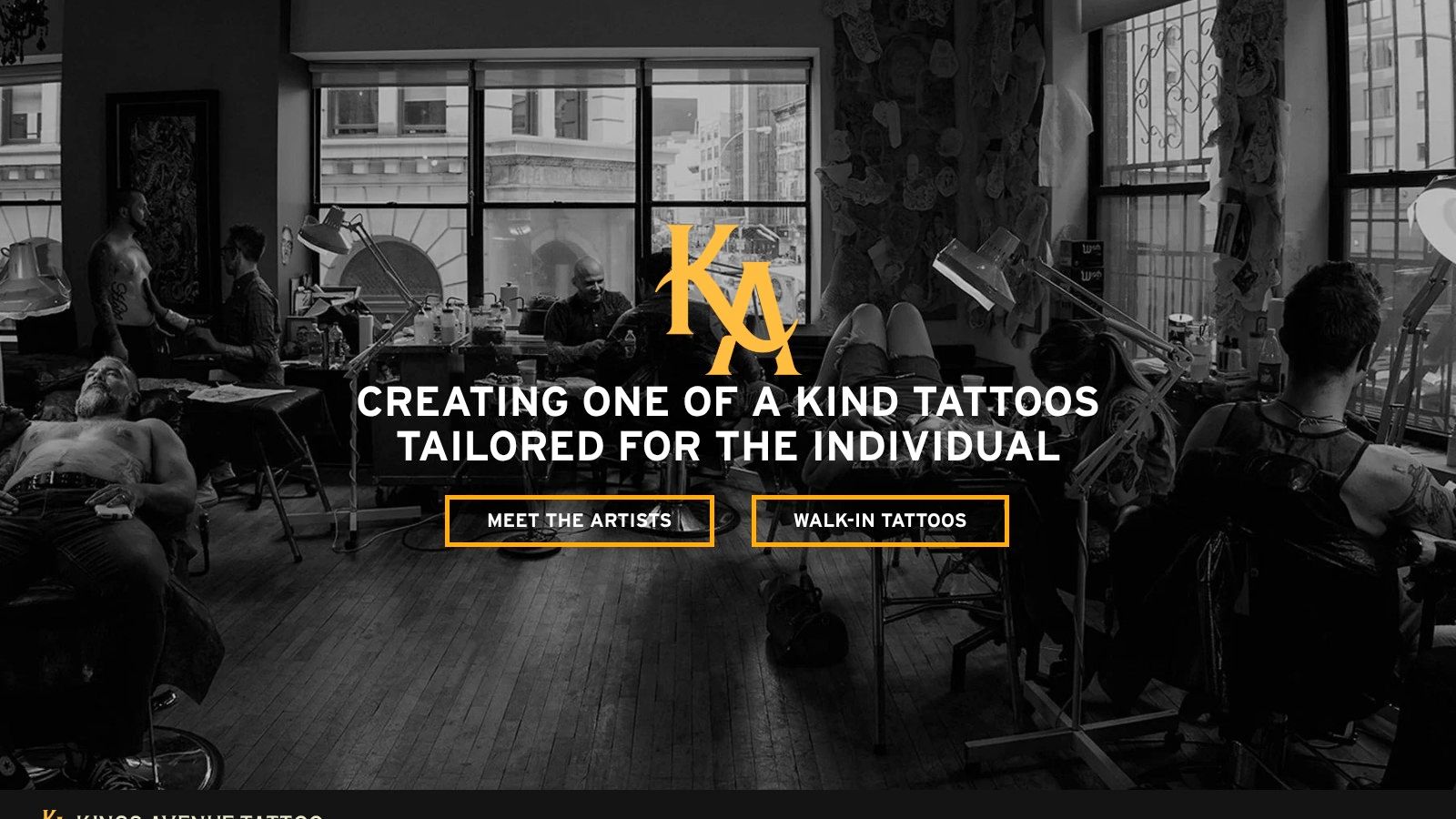
Kings Avenue Tattoo offers a practical studio model for clients who want access to several experienced artists and a disciplined approach to large Japanese projects. With locations in NYC, Long Island, and Durham, the studio can be relevant to clients comparing travel options, artist availability, and style preferences rather than searching for one fixed visual interpretation.
A phoenix composition needs to follow the body's architecture. On the chest, the wings can balance across the pectorals while the head and torso establish a central focus. On a sleeve, the bird may need to turn around the shoulder cap, with the tail traveling down the arm and the background filling awkward transitions. On the back, the artist has more freedom to build a broad silhouette and use negative space between feathers and cloud bands.
Match the artist to the anatomy
The studio's multi-location structure is useful when you want to compare several portfolios under one established name. Look beyond the presence of phoenix imagery. Check whether the artist handles Japanese background work, transitions around joints, and large designs that keep their silhouette clear from a distance.
Popular senior artists may book out and command premium rates, and travel may still be necessary. Those are manageable trade-offs if you're planning a long-term project, but they should be part of the brief from the beginning.
A phoenix that looks impressive in a flat reference can fail on the body if its tail stops at a joint or its wings lose their intended symmetry. Ask to see healed large-scale work, not only fresh close-ups.
For the consultation, bring a photo of the intended body area, your preferred orientation, and examples of backgrounds you like. Let the artist decide how much feather detail the placement can support.
5. Three Tides Tattoo
Three Tides Tattoo is a natural choice for clients who want to develop a phoenix within a Japanese studio environment. With locations in Tokyo and Osaka, the studio has a longstanding presence in traditional tattooing while also accommodating contemporary sensibilities. Its resident artists offer different interpretations, so the strongest match may depend on whether you prefer bold color, restrained black and gray, heavier background structure, or a more open silhouette.
The hō-ō has a specific symbolic profile. It represents the south, summer, red, and fire within the four cardinal beasts of East Asian cosmology. Traditional descriptions also associate the bird with 12 or 13 tail feathers and five mystical colors, black, white, red, green, and yellow. Those conventions give an artist a framework for making the subject recognizably Japanese rather than defaulting to a Western flame-first phoenix.
Build the motif pairing before the drawing
A Japanese studio can also help you resolve questions that image searches leave unclear. Should the bird be paired with a dragon? Would peonies reinforce the intended mood, or would clouds give the composition better movement? Does a seasonal background support the story you want the tattoo to tell?
International travel adds logistics, including time-zone coordination, communication, and artist-specific waiting periods. Contact the studio with a focused project description instead of a broad request for “a phoenix tattoo.” State the body area, approximate coverage, color preference, and whether you want a traditional or contemporary treatment.
Three Tides is best considered when the cultural setting and a broad selection of Japanese specialists matter more than local convenience. If travel isn't realistic, use the same questions with a nearby artist who can demonstrate comparable work.
6. HORITOMO SHITAESHŪ
HORITOMO SHITAESHŪ is a reference book rather than a tattoo studio, but it can improve the quality of your consultation. The collection of preparatory drawings, or shitae, shows how an experienced irezumi artist thinks about pose, flow, negative space, and iconographic structure before the design reaches skin.
That preparation stage is where many phoenix projects either become coherent or start to drift. A reference may show a beautiful head, a separate wing shape, and an attractive tail, but the final tattoo needs one continuous movement. Shitae can help you discuss how the bird wraps a shoulder, stretches across the back, or leaves breathing room around the spine.
Use references to communicate, not to copy
The book includes English notes and contextual information about cultural elements, making it more useful than a random image folder when you're trying to understand why a composition works. It's also a practical studio reference for marking preferred directions, spacing, and relationships between the main subject and its background.
Mark movement: Identify whether you prefer a rising, turning, descending, or side-facing pose.
Mark spacing: Show how much open skin you want around the wings and tail.
Mark structure: Separate the phoenix elements you like from the background elements you want to avoid.
Leave adaptation open: The artist still needs to redraw the design for your anatomy.
The limitation is clear. This isn't a step-by-step tattoo tutorial, and it assumes the artist understands Japanese composition. Use it to make the conversation more precise, not to instruct a tattooer line by line. Think Tank Tattoo's discussion of symbols of healing tattoos can also help you articulate the personal meaning behind a phoenix without reducing the motif to a generic rebirth slogan.
7. 100 Japanese Tattoo Designs by Horimouja
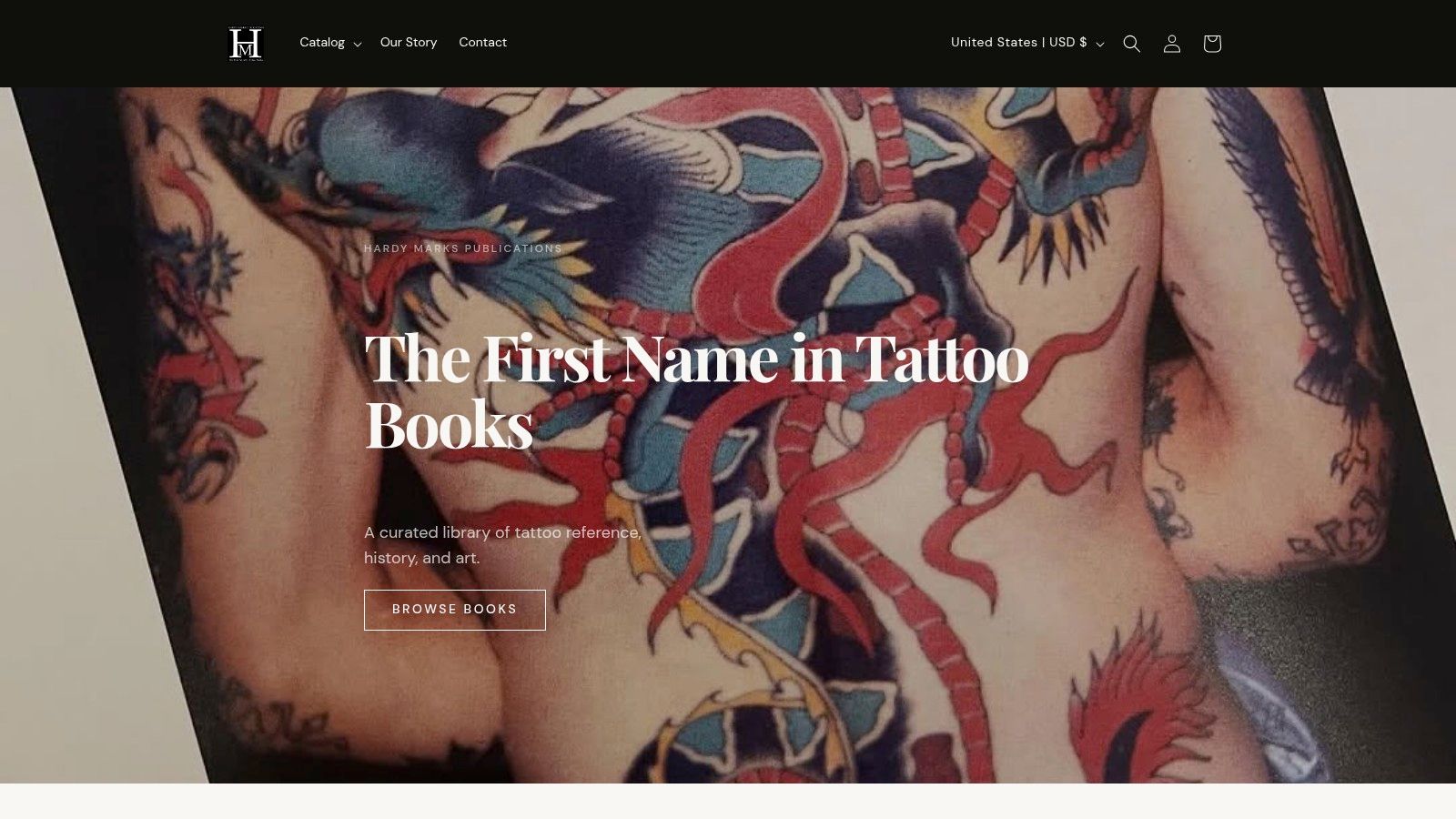
100 Japanese Tattoo Designs by Horimouja, written by Jack Mosher, works best at the earliest stage of planning. Its broad collection includes phoenixes alongside dragons, koi, masks, florals, and other Japanese motifs. The clean line-art emphasis makes it easy to compare poses and mark the visual ingredients you might want to discuss with a tattoo artist.
This kind of reference is particularly helpful for first-time clients. You can identify whether you're drawn to a long, elegant tail, a broader wing spread, a more compact silhouette, or a particular companion motif. You can also start separating the subject from the background. A phoenix may look appealing in isolation, but clouds, peonies, paulownia, or cherry blossoms can change how much space the final tattoo needs.
Turn a generic reference into a custom composition
The book's line sets are starting points, not finished tattoo plans. Copying a page too closely can make your piece feel like flash, and not every pairing or historical convention will suit the story you're trying to tell. Your artist should adjust the drawing for scale, body contours, skin movement, and the amount of detail that will remain legible over time.
Reference habit: Bring two or three marked examples and explain what you like in each. Don't ask the artist to combine every visible feature.
The book is available through the publisher's tattoo design collection, but availability can change. Its greatest value is practical clarity. You arrive at the consultation with a vocabulary for pose, feathers, color, and background instead of asking for an undefined “cool phoenix.”
Japanese Phoenix Tattoo Designs, 7-Source Comparison
Studio / Resource | Implementation Complexity 🔄 | Resource Requirements ⚡ | Expected Outcome ⭐📊 | Ideal Use Cases 💡 | Key Advantages |
|---|---|---|---|---|---|
Think Tank Tattoo | Medium, collaborative, multi-session planning | Local (Denver); $100 deposit & shop minimum; multi-session time | ⭐⭐⭐⭐ 📊 Bespoke, anatomy-aware large pieces | In-person clients seeking custom phoenix and guided process | Complimentary consultations, large team match, aftercare support |
State of Grace Tattoo (Horitomo & team) | High, deep irezumi process and cultural vetting | High: potential waitlists; travel likely; premium fees | ⭐⭐⭐⭐⭐ 📊 Museum-accurate traditional phoenix work | Collectors needing historically faithful irezumi and iconography | Tebori history, museum/publishing collaborations, cultural fluency |
Yellow Blaze Tattoo (Shige) | High, master-level, design-first compositions | Very high: international travel, long waits, premium pricing | ⭐⭐⭐⭐⭐ 📊 Dynamic, museum-quality color and composition | Destination collectors seeking refined modern‑meets‑traditional pieces | Renowned artist, refined color harmony, exhibition presence |
Kings Avenue Tattoo | Medium, coordinated multi-artist project workflows | Medium-high: multi-location options; travel possible; variable pricing | ⭐⭐⭐⭐ 📊 Consistent large-scale compositions with good flow | Clients wanting schedule flexibility and strong project management | Multiple artists/locations, disciplined composition, public references |
Three Tides Tattoo | High, studio workflows rooted in Japanese tradition | High: international travel, logistics, language/time-zone coordination | ⭐⭐⭐⭐⭐ 📊 Authentically grounded Japanese phoenix interpretations | Those seeking an authentic Japanese studio experience and varied styles | Deep bench of artists, longstanding cultural presence, guest exchanges |
HORITOMO SHITAESHŪ (book) | Low, reference collection for composition study | Low: one-time purchase; physical availability may vary | ⭐⭐⭐⭐ 📊 Speeds consultation alignment; clarifies wrap and flow | Artists & clients preparing for consults and anatomy-aware design | Authentic shitae, English context, studio-friendly print |
100 Japanese Tattoo Designs (Horimouja) | Low, motif/line-art reference (flash-style) | Low: affordable, widely available | ⭐⭐⭐ 📊 Good for ideation; requires customization to avoid flash look | First-time clients brainstorming motifs; artists seeking line work | Broad motif coverage, clean line-art, cost-effective |
Turn Inspiration Into a Custom Plan
These seven directions aren't interchangeable. Think Tank Tattoo is suited to Denver clients who want complimentary, face-to-face consultation and collaborative development. State of Grace and Three Tides are stronger reference points when traditional Japanese lineage and cultural context lead the decision. Yellow Blaze represents a destination approach for collectors who want an expansive, highly finished composition. Kings Avenue offers a multi-location path with several artists and experience in large-scale planning. The two books serve a different purpose. They help you communicate before an artist creates the final drawing.
Start with the treatment you want. A regal hō-ō should not automatically become a Western-style bird engulfed in flames. Japanese references connect the motif with peace, harmony, justice, fidelity, virtue, and imperial symbolism, and the bird is often shown through flowing plumage, clouds, florals, and balanced pairings. Fire can be present, but it shouldn't erase the subject's celestial and ceremonial character.
Then test the design against your anatomy. Backpieces, chests, thighs, and full sleeves give the wings and tail enough room to read, while smaller placements require a simpler silhouette and more selective detail. Decide whether your priorities are color harmony, black-and-gray structure, negative space, or a strong outline that remains clear from across a room.
Bring marked-up references to the consultation, along with:
Placement information: Identify the body area, approximate coverage, and whether the tattoo needs to connect with existing work.
Movement preferences: Point out poses, wing angles, tail directions, and feather shapes that appeal to you.
Background choices: List motifs you're considering, such as clouds, peonies, cherry blossoms, paulownia, or a dragon.
Style boundaries: Explain whether you want a traditional, modern, restrained, bold, colorful, or mostly black-and-gray result.
Practical limits: Discuss budget, scheduling, travel, session length, visibility, and aftercare before the drawing is finalized.
Portfolio verification: Review healed work and relevant Japanese compositions by the specific artist, not only the studio's general gallery.
Denver readers can begin with Think Tank Tattoo's complimentary consultation. The studio lists a $100 non-refundable deposit, a $100 shop minimum, and services for clients 18 and older, so confirm the current booking terms when you contact the team. The best next step is to choose your placement, mark your preferred phoenix movement, gather a small reference set, and ask an experienced artist to build the anatomy-aware composition.
Think Tank Tattoo offers complimentary consultations for custom tattoo planning, including Japanese-inspired phoenix concepts, with discussion of placement, design direction, timing, and aftercare. Bring your marked references and project goals to Think Tank Tattoo in Denver to start shaping a hō-ō that fits your body rather than copying an interchangeable image.
Comments